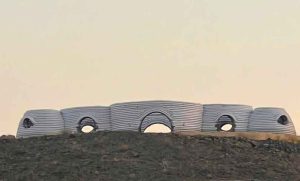
Superadobe for a Local-Materials School in Senegal — Lecture at Iran University of Science and Technology

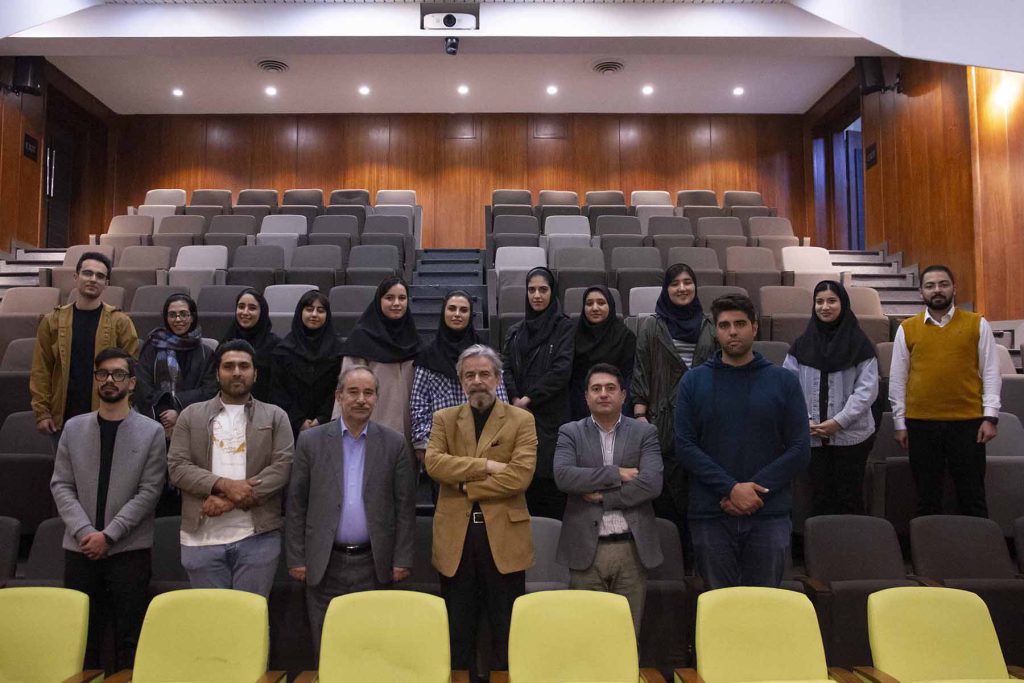
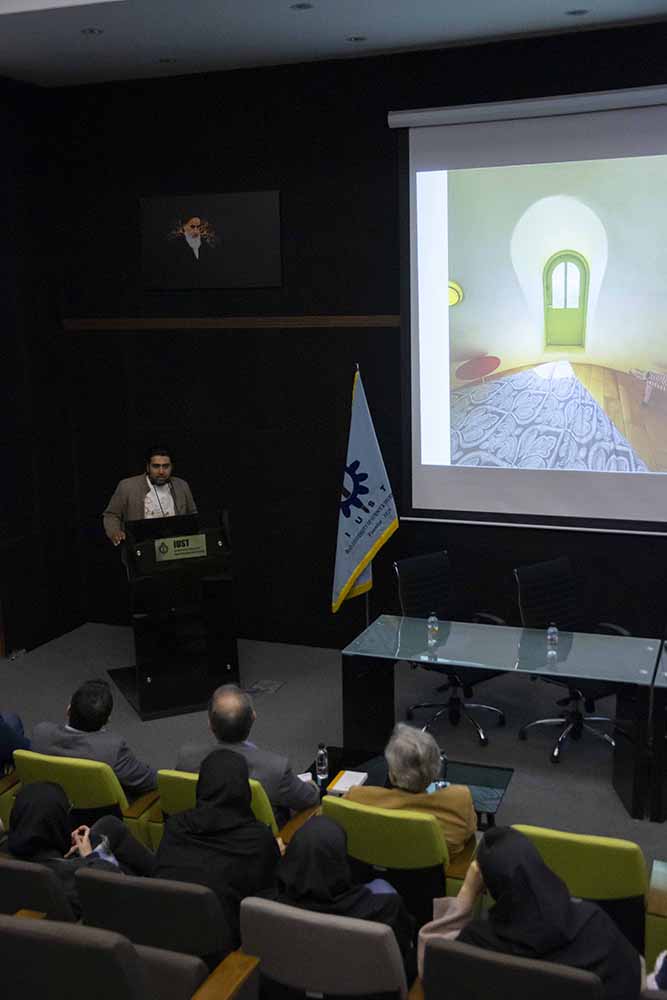
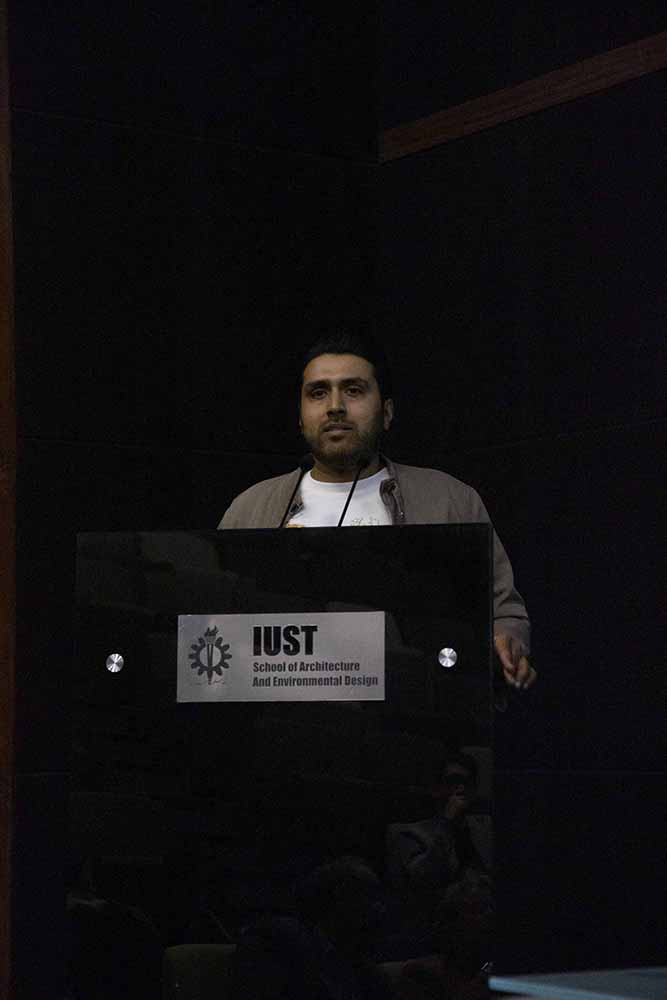
On November 23, 2025, an academic event centered on local architecture and Superadobe structures was held by the EarthArtists educational team at the Iran University of Science and Technology, Tehran. The lecture aimed to introduce students to this construction method and prepare them to take part in an architecture competition focused on designing a school in Senegal using only local materials. The talk was delivered by senior architect Alireza Mohseni-Khah, while the session was hosted and moderated by three members of the university’s academic staff:

  • Mohsen Fayzi — Faculty member, Iran University of Science and Technology, Tehran
  • Hanieh Sanāyeiān — Faculty member, Iran University of Science and Technology, Tehran
  • Amin Hosseini — Lecturer, Iran University of Science and Technology, Tehran
university lecture

Main Topics of the Lecture

The presentation focused on the following key points:

  • The history and origins of Superadobe, along with an introduction to its late founder, architect Nader Khalili
  • A basic overview of the earthbag building method and dome-forming techniques
  • A clear and impartial discussion on the advantages, limitations, and challenges of Superadobe construction
  • Showcasing notable international projects and real-world construction experiences as sources of inspiration
  • The role of earth-based and local construction systems in shaping the future of sustainable architectur

What Was the Purpose of This Lecture?

To help architecture students prepare for a design competition aimed at building a school in Senegal using entirely local materials, the university invited senior architect Alireza Mohseni‑Khah to deliver an introductory lecture on Superadobe three weeks prior to the event date.

The goal was to give students a solid initial understanding of this earth-based construction method, enabling them to draw inspiration from it and explore design ideas that are both innovative and practical.

The lecture demonstrated that Superadobe can serve as a viable response to the competition’s core challenge — designing a school that is energy-efficient, independent of complex or imported technologies, and fully aligned with local resources, culture, climate, and labor capacity.

Conclusion

This event served as a simple yet meaningful bridge between academic architectural education and real-world experiences of building with earth, encouraging students to move forward in the field of indigenous design for underserved communities and sustainable educational projects.

Future Collaboration with Students

The Earth Artists team welcomes architecture students interested in this field to take part in:

  • upcoming Earthbag construction workshops
  • joint research in earth-centered architecture
  • or collaboration on indigenous and community-based design projects
university lecture
Alireza Mohsenikhah
Earthartists logo

Building No. 5816, Way 1275, Sur Al Hail, Al Seeb, Muscat, Oman

(+98-915-106-9234)

earthartits@gmail.com

2024 | Mhsdesign